
Unrecognized fraternities and sororities operate without the oversight, accountability, and safety structures designed to protect students
In 2003, 18-year-old college freshman Walter Dean Jennings died following ten days of hazing rituals at an unrecognized fraternity near the State University of New York at Plattsburgh.
The cause of  death: water torture at the hands of fraternity members.
Jennings was coerced by members of Psi Epsilon Chi to drink so much water that his brain swelled and he lost consciousness and later died.
Jenning’s death placed a spotlight on the risks posed by unrecognized student organizations — groups that operate without official approval or oversight from the university.
The issue is national in scope: California State University-Chico, James Madison University, Pennsylvania State University, and Rutgers University are among those that publicly warn students and parents about banned groups operating illicitly off-campus.
Psi Epsilon Chi had lost its recognition from the university five years earlier for alcohol-related incidents, the New York Times reported. A group of college alumni and former Psi Epsilon Chi members owned the house where Jennings died and rented space to the fraternity even after the fraternity was placed on a list of unrecognized student organizations.
Unrecognized student groups fly under the radar
Whether supported by alumni or rogue members, “underground” organizations exist outside the accountability and safety systems meant to keep students safe.
In fraternity and sorority life, a chapter may lose recognition due to hazing or substance misuse. Or it may start out as an independent entity, with members choosing to operate off the radar to save money or operate in houses that aren’t up to safety codes.
“Unrecognized Greek groups often use the letters of national organizations but are not affiliated with them or the college and don’t give the names of their members to the school. Some continue to operate after schools strip their official status,” wrote journalist Hank Nuwer, who has investigated such organizations.
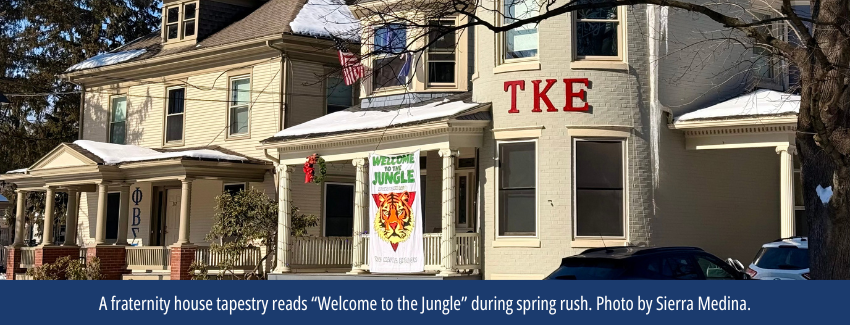
In other cases, “older homes many students rent in the city can be a barrier to becoming a recognized Greek group; they may not meet the fire codes necessary to be a designated fraternity or sorority house,” 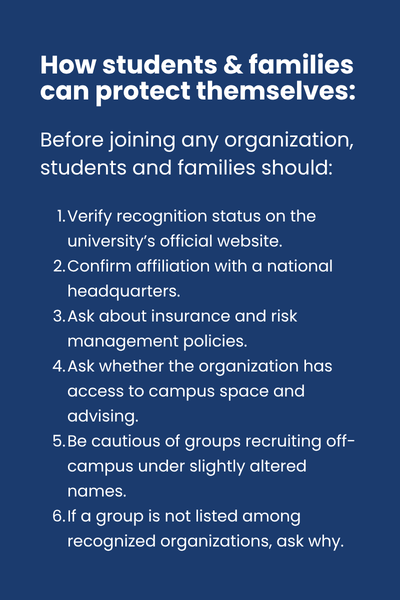 Nuwer said.
A dangerous lack of oversight
Without meaningful oversight, these groups aren’t held to the same safety rules, training, or accountability standards as formally recognized groups, and harmful behavior can go unchecked.
For example, if something goes wrong at an event, there may be no adviser involved, no clear policies being followed, and fewer ways for the university to step in and help.
When groups choose to operate without being recognized, it can look like:
- Adopting a new name that subtly references the original chapter.
- Operating as an off-campus social club.
- Incorporating as a limited liability company (LLC) or 501(C)3.
.png?width=200&height=200&name=VA%20SOH%20Inset%20Image%20Small%20(1).png)
“Sometimes they may even go so far as to make it into a legalized corporation … like the Gold Club at Virginia Tech is a legal LLC,” said Rachael Tully, assistant dean of students at Virginia Commonwealth University.
The Gold Club was founded in 2021 by members after their fraternity, Pi Kappa Phi, was unrecognized at Virginia Tech. The Gold Club was still in operation and recruiting new members in 2025.
Why universities can't just shut down rogue groups
A college or university’s authority is limited when a group operates without university recognition.
“The organizations are not under the institution’s jurisdiction. They do not have to follow a policy. The only thing that they have to follow is law,” said Dr. Ronald Atkinson, University of Southern California director of fraternity and sorority life.
Universities oversee recognized student organizations through conduct codes, risk management policies, and organizational agreements. Unrecognized groups, by definition, are not bound by those structures.
When an incident occurs, institutions may lack the information they need to act and intervention becomes legally and procedurally complex.
“We don’t have a victim. We don’t have a respondent … it’s just kind of like information that sits in the ether,” Atkinson explained. “In order for the university to do anything about it, the university has to be told those individual students’ names. And that is very unlikely to happen.”
What’s missing when student groups go rogue
While not every unrecognized organization engages in misconduct, the structural conditions surrounding them make the risk to students greater.
Officially recognized student groups operate with some level of campus oversight, including professional advising, risk management training, leadership development, and conduct monitoring.
They also are more likely to be accountable to their national organizations through insurance and liability structures, alumni advisers, and formal reporting systems.
Unrecognized organizations operate outside those guardrails.
Money and influence
Financial dynamics are often a significant factor in the continued operations of unrecognized organizations.
Alumni involvement can shape the trajectory of these groups, with former members providing financial backing, housing access, and informal advising that may not align with college or university requirements.
Alumni may endorse or fund events and operations without fully acknowledging how their involvement can enable unsafe environments. This external backing can allow groups to function off campus with fewer constraints, making official recognition or reinstatement at the institution a low priority for students.
What students lose by joining unrecognized groups
For students, being part of an independent or unrecognized organization may seem fun at first, or like a non-issue, but they miss out on a lot of support.
Recognized organizations often provide the following, depending on the institution:
- Access to campus facilities.
- Eligibility for scholarships, awards, and institutional recognition.
- Risk management training.
- Advising from experienced professionals.
- Student government funding.
- Official marketing support.
- Campus partnerships.
What campuses can do
"Transparent communication from university administrators can demystify underground groups and help students understand consequences," said Tully at VCU.
Making information about those groups transparent and easily accessible helps students make informed decisions on which group is right for them. At VCU, unrecognized organizations are listed on the website with a notice/alert that they are unrecognized. There's an opportunity for institutions to communicate about who these groups are, what being unrecognized means, and why it's important to be aware of them.
“Stop being so secretive about the organization’s behaviors … put out why the university took the actions that they did,” Tully recommended.
Families often assume that visible recruitment by a student group signals institutional approval, so schools need to be extra diligent in providing information on groups that aren’t operating by the university’s rules.
Hazing doesn’t just happen out of nowhere. It is shaped and reinforced by unhealthy group dynamics, culture, unspoken hierarchies, and power imbalances. Take time to ask questions and do your research—find out whether a group is officially recognized and what safeguards are in place before getting involved.